Chopta Tungnath Trek from Delhi

The Chopta Tungnath 2 Nights 3 Days package is a perfect blend of adventure and spirituality in the heart of Uttarakhand. Starting from Delhi / Rishikesh or Haridwar, the journey takes you to the scenic meadows of Chopta, known for its peaceful surroundings and Himalayan views.
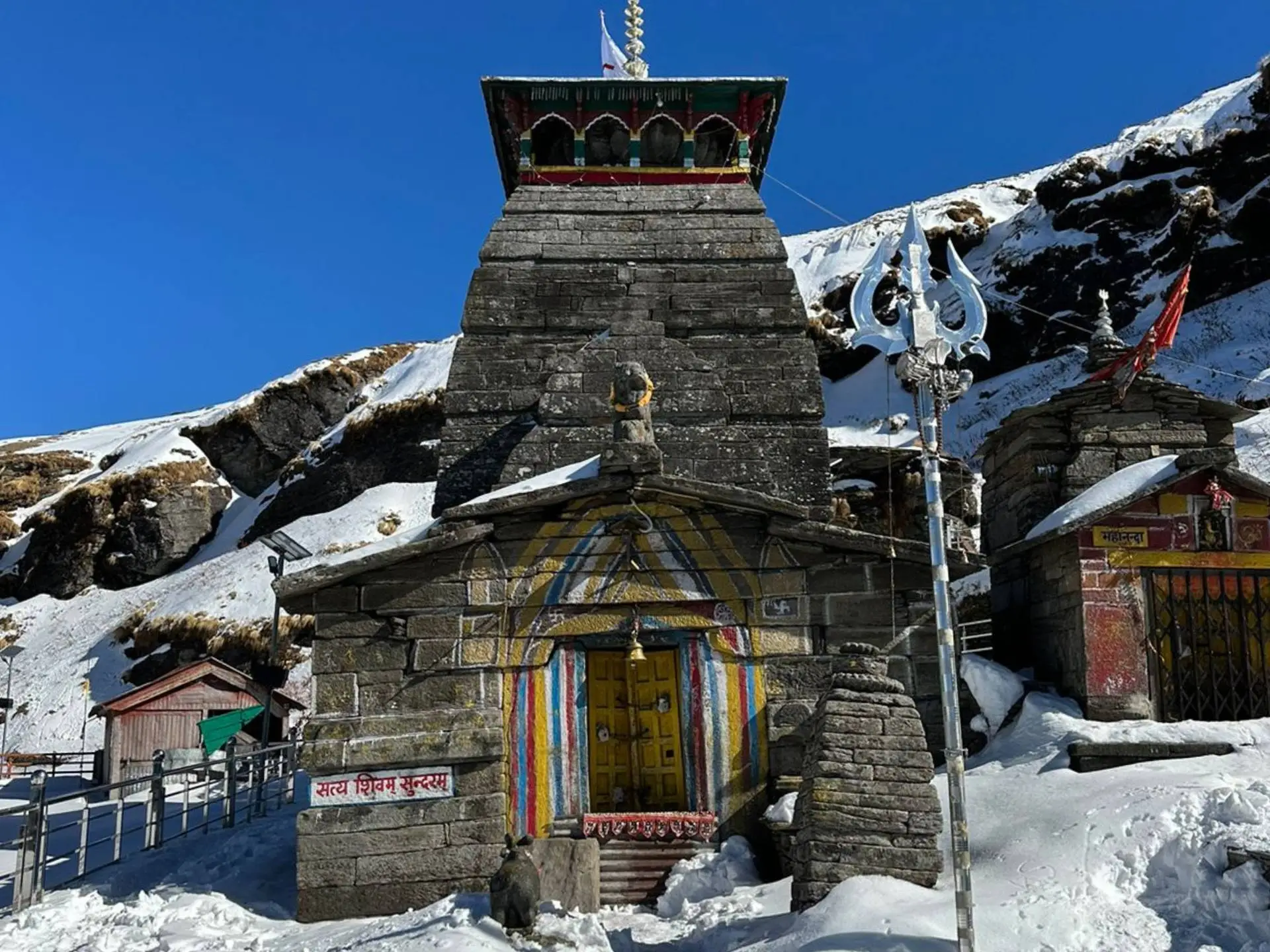
The main highlight is the trek to Tungnath Temple, located at 3,680 meters. For adventure seekers, a short hike to Chandrashila Summit offers stunning panoramic views of snow-covered peaks, making it an ideal getaway for beginners, couples, and nature lovers

4.9/5 Rated by 750+ Travelers   |   2Night 3Days   |   Starting ₹5500   |   Delhi Pickup

10,000+ Happy Customers   |   5+ Years Experience   |   24/7 Support

Duration: 2 Nights / 3 Days

Starting Point: Delhi / Haridwar

Main Attractions: Chopta, Tungnath, Chandrashila

Trek Distance: 3.5 km

Trek Difficulty: Easy to Moderate

Ideal For: Couples, Friends, Family

Best Time: March–June & September–November

Meals: Breakfast & Dinner

Starting Price: ₹5,500 per person*

Itinerary

  • Begin your journey from Delhi by overnight road travel.
  • Enjoy scenic night drive through Haridwar and Rishikesh routes.
  • Prepare for an early morning arrival in the Garhwal region.
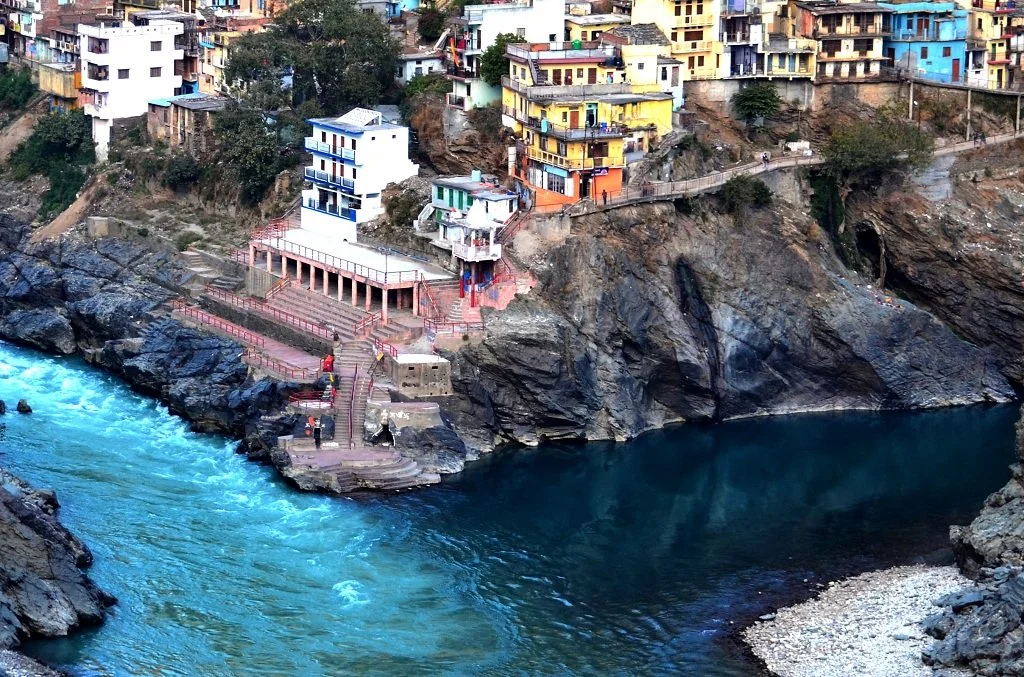
  • En route, stop briefly at Devprayag Sangam (Alaknanda & Bhagirathi confluence)
  • Reach Sari Village by late morning or early afternoon.
  • Trek ~2.5 km (easy-moderate) to Deoriatal Lake and enjoy serene mountain reflections; camp overnight near the lake or return to Sari for stay.
  • Dinner and overnight stay at Deoriatal or Sari.
  • Breakfast: Enjoy a hearty breakfast at your homestay.
  • Drive to Chopta in the early morning (approx. 1-hour drive).
  • Trek to Tungnath Temple (3.5 km) and optionally to Chandrashila Summit (1.5 km extra).
  • Return to Chopta/Sari by evening.
  • Dinner and overnight stay at Chopta or Sari.
  • Have breakfast in the morning, then begin the return drive toward Delhi.
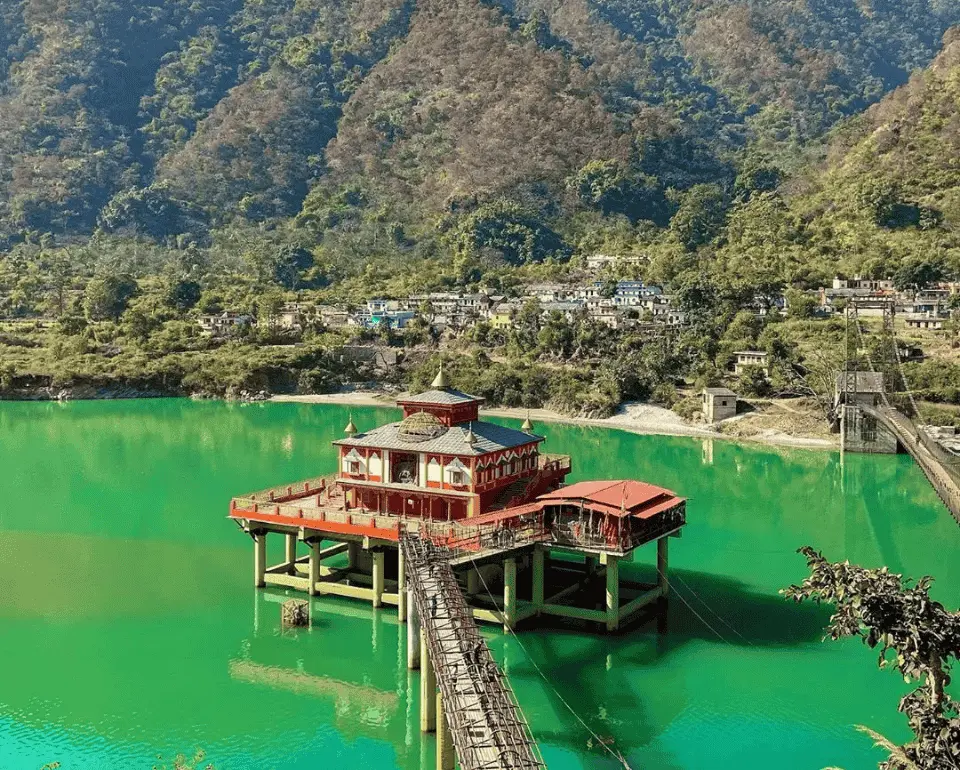
  • Stop at the sacred Dhari Devi Temple near Srinagar en route.
  • Continue overnight journey to Delhi.
Places to visit in Chopta

Quick Info

  1. Trekking: The trek to Tungnath Temple and Chandrashila Summit offers breathtaking Himalayan views and is perfect for both beginners and experienced trekkers.
  2. Camping: Stay overnight in scenic meadows surrounded by forests and enjoy a peaceful escape under the stars.
  3. Bird Watching: Situated within the Kedarnath Wildlife Sanctuary, Chopta is home to rare birds such as the Himalayan Monal.
  4. Nature Walks: Explore serene trails through oak, deodar, and rhododendron forests—ideal for relaxation and photography.
  5. Snow Activities: In winter, enjoy snow trekking, playing in fresh snow, and basic skiing experiences.
  6. Photography: Capture stunning sunrise and sunset views over Himalayan peaks like Nanda Devi and Chaukhamba.
  1. Roads to Chopta are generally well-connected via Ukhimath and Gopeshwar, offering scenic mountain drives.
  2. During summer and autumn, road conditions remain smooth and suitable for most vehicles.
  3. In the monsoon, landslides and slippery patches can affect travel, so caution is required.
  4. Winter brings heavy snowfall, making routes challenging, especially near Duggalbitta and higher areas.
  5. Access to Ukhimath and nearby regions may be temporarily restricted during extreme weather.
  6. Vehicles may not be allowed beyond certain points in peak snowfall conditions.
  7. Travellers are advised to check live road status before starting their journey.
  8. Using experienced drivers and proper vehicles improves safety.
  9. Always keep buffer time in your itinerary due to unpredictable mountain conditions.
  1. Chopta does not require any special permits for tourists, making travel simple and hassle-free.
  2. For trekking to Tungnath Temple and Chandrashila Summit, registration is required.
  3. You can register at the forest check post in Chopta or Sari village before starting the trek.
  4. This registration is maintained by the Forest Department for safety and record-keeping purposes.
  5. Always carry a valid ID proof, such as an Aadhaar card or passport.
  6. During heavy snowfall or restricted seasons, entry rules may change.
  7. Local authorities may limit or stop access to higher altitudes for safety reasons.
  8. It is recommended to check with the nearby forest office before planning your trek.
  9. Following guidelines ensures a safe and smooth trekking experience
  1. Stargazing in Chopta is a magical experience due to its high altitude and minimal light pollution.
  2. On clear nights, the sky is filled with countless stars, bright constellations, and even the Milky Way.
  3. The peaceful mountain environment enhances the overall experience, creating a calm and surreal atmosphere.
  4. The silence of the Himalayas makes it perfect for relaxation and a deep connection with nature.
  5. Winter and early summer nights offer the best visibility due to crisp and clear air.
  6. Temperatures drop significantly at night, so warm clothing is essential.
  7. Watching shooting stars under the open sky is a highlight for many travellers.
  8. It is an ideal activity for nature lovers, photographers, and stargazing enthusiasts.
  9. Stargazing in Chopta offers a unique and unforgettable night experience away from city lights.

By Road: Chopta is well-connected by road from Delhi (around 450 km). You can drive through Rishikesh, Srinagar, and Rudraprayag to reach Chopta. Regular buses and shared taxis operate till Ukhimath, and then local cabs are easily available. The drive itself is scenic, surrounded by pine, oak, and rhododendron forests.

By Train: The nearest railway station is Rishikesh (200 km away). From there, you can hire a taxi or take a bus towards Rudraprayag or Ukhimath. The journey offers beautiful views of the Alaknanda River and the Himalayan foothills.

By Air: The nearest airport is Jolly Grant Airport, Dehradun, located about 220 km away. From the airport, taxis and buses are available for Chopta. The route passes through Rishikesh and offers stunning views of mountain valleys.

Costing

Mode Price
5500
6000
6500
  • Transportation from Delhi to Delhi by Traveller/ Car / MUV / SUV / Tempo Traveller
  • Accommodation: 2 Nights in Sari Village / Chopta (Guesthouse/ Camps)
  • Meals – 2 Breakfast & 2 Dinner (only in stay)
  • Bonfire (if weather permits)
  • Local exploration as per the itinerary
  • Experienced Trip Captain throughout the trip, Assistance from coordinators or on-ground crew
  • Any personal expenses (laundry, shopping, tips, snacks, etc.)
  • Any adventure activities not mentioned (e.g., snow rides, skiing, etc.)
  • Anything not mentioned in the itinerary
  • Hot water availability (not guaranteed in remote areas)
  • Any entry tickets or forest fees
  • Meals/Drinks other than those mentioned in inclusions
  • 5% GST (Goods and Services Tax)
  • Travel insurance
  • 4x4 vehicle charges for snow rides (if required during heavy snow)

1. What is Chopta, and why visit?
Chopta is a serene Himalayan village in Uttarakhand, known for its scenic meadows, forest trails, and treks to Tungnath and Chandrashila.

2. What is the altitude of Chopta?
Chopta lies at around 2,600–2,900 meters above sea level, offering cool weather, fresh air, and panoramic Himalayan views.

3. What is the best time to visit Chopta?
Visit from March–June or September–November for clear weather; December–February for snow; monsoon months bring lush greenery but heavy rain.

4. How do you get to Chopta (air/train/road)?
Nearest airport is Dehradun’s Jolly Grant (220 km); nearest railway is Rishikesh/Haridwar; easily reachable by road via Rudraprayag and Ukhimath.

5. What are the accommodation options in Chopta?
Chopta offers guesthouses, homestays, and camping sites; facilities are basic but surrounded by natural beauty and peaceful surroundings.

6. What is the food/dining situation?
Local eateries serve simple Indian meals; most camps provide in-house food. Carry snacks if you have specific dietary needs.

7. What is the mobile network/connectivity like?
Mobile network is patchy; only BSNL and Jio may work occasionally. Internet access is limited, offering a peaceful digital detox.

8. Is it safe to travel to Chopta?
Yes, Chopta is safe for tourists. Exercise caution during monsoon and heavy snowfall, as road access may become difficult.

9. Do I need permits for trekking around Chopta?
No special permits are required for popular treks like Tungnath–Chandrashila, but check local rules before visiting protected areas.

10. How long should I stay in Chopta for a good experience?
2–3 days are ideal to enjoy trekking, sightseeing, and relaxation. Extend if you wish to explore nearby spots like Deoria Tal.

11. Is Chopta overcrowded/commercialised?
No, Chopta remains relatively peaceful and less commercialised compared to Auli or Mussoorie, retaining its untouched natural charm.

12. What clothing/gear should I pack?
Carry layered warm clothes, trekking shoes, gloves, and rain protection. Temperatures drop sharply at night, even in summer.

13. Are there medical/emergency facilities?
Only basic facilities are available. For serious issues, travel to Ukhimath or Rudraprayag. Carry personal medicines and a first-aid kit.

14. What about altitude sickness/acclimatisation?
Mild altitude effects are possible above 2,600 m; stay hydrated, rest properly, and ascend gradually to avoid discomfort.

15. What are the major things to do in Chopta?
Trekking to Tungnath and Chandrashila, bird-watching, camping, nature walks, and enjoying sunrise views of snow-clad Himalayan peaks.

16. What is the distance/difficulty of the trek to Tungnath?
The trek is around 3.5 km one way from Chopta; it’s moderately steep but suitable for beginners with basic fitness.

17. What about continuing from Tungnath to Chandrashila?
From Tungnath, it’s another 1.5 km to Chandrashila Peak; short yet steep, rewarding trekkers with mesmerising 360° Himalayan views.

18. Can this trek be done in one day?
Yes, fit travellers can complete it in one day; starting early morning and returning by afternoon is ideal.

19. Are there other trekking routes from Chopta?
Yes, routes like Deoria Tal, Rohini Bugyal, and Baniya Kund offer scenic short treks through forests and meadows.

20. What are the views/peaks visible from Chopta?
You can see majestic peaks like Nanda Devi, Trishul, Chaukhamba, and the Kedarnath range on clear days.

21. Is camping allowed/popular in Chopta?
Yes, camping is common in designated areas with Swiss tents and camps, though restrictions protect sensitive meadows.

22. What about snow/winter trekking?
In winter, Chopta and Tungnath get snow-covered. The trek becomes challenging but stunning for snow lovers and photographers.

23. What are the forest/wildlife aspects?
Chopta lies within Kedarnath Wildlife Sanctuary, home to musk deer, monals, and rich Himalayan flora and fauna.

24. Are pets/kids okay in Chopta?
Yes, but supervise pets and children on treks. Choose shorter trails and ensure weather and road conditions are safe.

25. What about trekking with senior citizens/less fit travellers?
Possible with a slower pace and shorter trails. Avoid steep climbs and ensure proper rest and acclimatisation.

26. What is the road condition, and how safe is the drive?
Mountain roads are narrow and winding; safe with experienced drivers. Avoid night driving or travel during heavy rain/snow.

27. Is there public transport within Chopta?
Limited. Shared jeeps and local taxis operate from Ukhimath or Rudraprayag. Private vehicles offer more flexibility.

28. What is the approximate budget for a stay/trek?
Budget travellers can expect ₹2,000–₹4,000/day including stay, meals, and local travel. Guides charge around ₹1,000–1,500/day.

29. Are WiFi/power/amenities reliable?
Electricity may be solar-powered and intermittent. WiFi is rare, so expect an off-grid, nature-focused experience.

30. Do we need to pre-book stays/vehicles in peak season?
Yes, book stays and transport in advance during May–June and December–January to avoid last-minute unavailability.

31. What if it rains/snows unexpectedly during the trip?
Carry waterproof jackets, shoes, and warm clothes. Allow extra days in your plan for weather-related delays.

32. Are there environmental/safety guidelines to follow?
Yes, avoid littering, stay on marked trails, and respect wildlife. Chopta is part of a fragile Himalayan ecosystem.

33. Can we combine Chopta with other nearby destinations?
Yes, include Deoria Tal, Ukhimath, Sari Village, or Tungnath Temple in your itinerary for a complete experience.

34. What’s the local culture/food like?
Local Garhwali culture is humble and welcoming. Try regional dishes like mandua roti, aloo ke gutke, and chai.

35. What about emergency cases (injury/illness) on trek?
Inform locals or guides immediately. Return to base or Ukhimath for help. Carry insurance and emergency contact numbers.

Chopta, Tungnath, and Chandrashila form a captivating trio in the Garhwal Himalayas of Uttarakhand, India, blending natural splendour, spiritual heritage, and adventure. Situated in the Rudraprayag district, this region falls under the Kedarnath Musk Deer Sanctuary, offering lush meadows, dense forests, ancient temples, and breathtaking panoramic views of snow-capped peaks. Chopta serves as the primary base, leading to the revered Tungnath Temple and culminating at the summit of Chandrashila.

The area is renowned for its serene environment, diverse wildlife, and mythological significance, attracting nature enthusiasts, pilgrims, and photographers year-round. While accessible by road up to Chopta, the paths beyond involve well-marked trails through varying terrains, from rhododendron-filled forests to rocky ascents. The entire zone emphasises eco-tourism, with minimal infrastructure to preserve its pristine beauty.

Chopta: The Gateway to the Himalayas

Chopta is a quaint hill station and village nestled at an altitude of approximately 2,600 to 2,680 meters above sea level, often dubbed the "Mini Switzerland of India" due to its verdant meadows, rolling hills, and stunning vistas reminiscent of alpine landscapes. Located on the Ukhimath-Chamoli-Gopeshwar road, it is about 225 km from Haridwar and 29 km from Ukhimath, making it a convenient starting point for explorations in the region. The village itself is small and peaceful, with limited facilities including guesthouses, homestays, and basic dhabas (eateries) offering local Garhwali cuisine like rhododendron juice (buransh ka sharbat) during the flowering season. There is no grid electricity; instead, reliance is on solar power for lighting and charging. Mobile networks can be spotty—BSNL tends to work best, while others may have weak signals.

Geographically, Chopta is surrounded by dense forests of pine, deodar, and rhododendron, transitioning into open bugyals (high-altitude meadows) that burst into colour with pink and red blooms from mid-April to mid-May. The area experiences a temperate climate: summers (March to June) are mild with temperatures around 10-20°C, monsoons (July to September) bring lush greenery but slippery paths, autumn (October to November) offers clear skies and crisp air, and winters (December to February) blanket the region in snow, sometimes closing roads and dropping temperatures below freezing.

Flora includes vibrant rhododendrons, oaks, and alpine flowers, while fauna thrives in the sanctuary—spot the Himalayan Monal (Uttarakhand's state bird with iridescent plumage), musk deer, wild goats, and occasionally leopards or black bears in the surrounding wilderness. Over 240 bird species inhabit the area, making it a haven for birdwatchers.

Culturally, Chopta, along the Chopta Tungnath Trek, embodies the simplicity of Himalayan life, with locals engaged in farming, herding, and tourism. It is a place meant for reflection amid pristine nature, where minimal commercialisation helps preserve its raw and untouched charm. Travellers on the Chopta Tungnath Trek often highlight the fresh mountain air, peaceful surroundings, and starry night skies that create a deep sense of isolation from the urban hustle.

For photography lovers and stargazing enthusiasts, the high altitude and low light pollution along the Chopta Tungnath Trek offer ideal conditions to capture breathtaking landscapes and celestial views. From a safety perspective, the region is generally secure; however, it is advisable to carry essentials such as woollen clothing, sufficient water, and a power bank, as weather conditions can change rapidly and amenities remain limited throughout the Chopta Tungnath Trek.

Tungnath: The World's Highest Shiva Temple

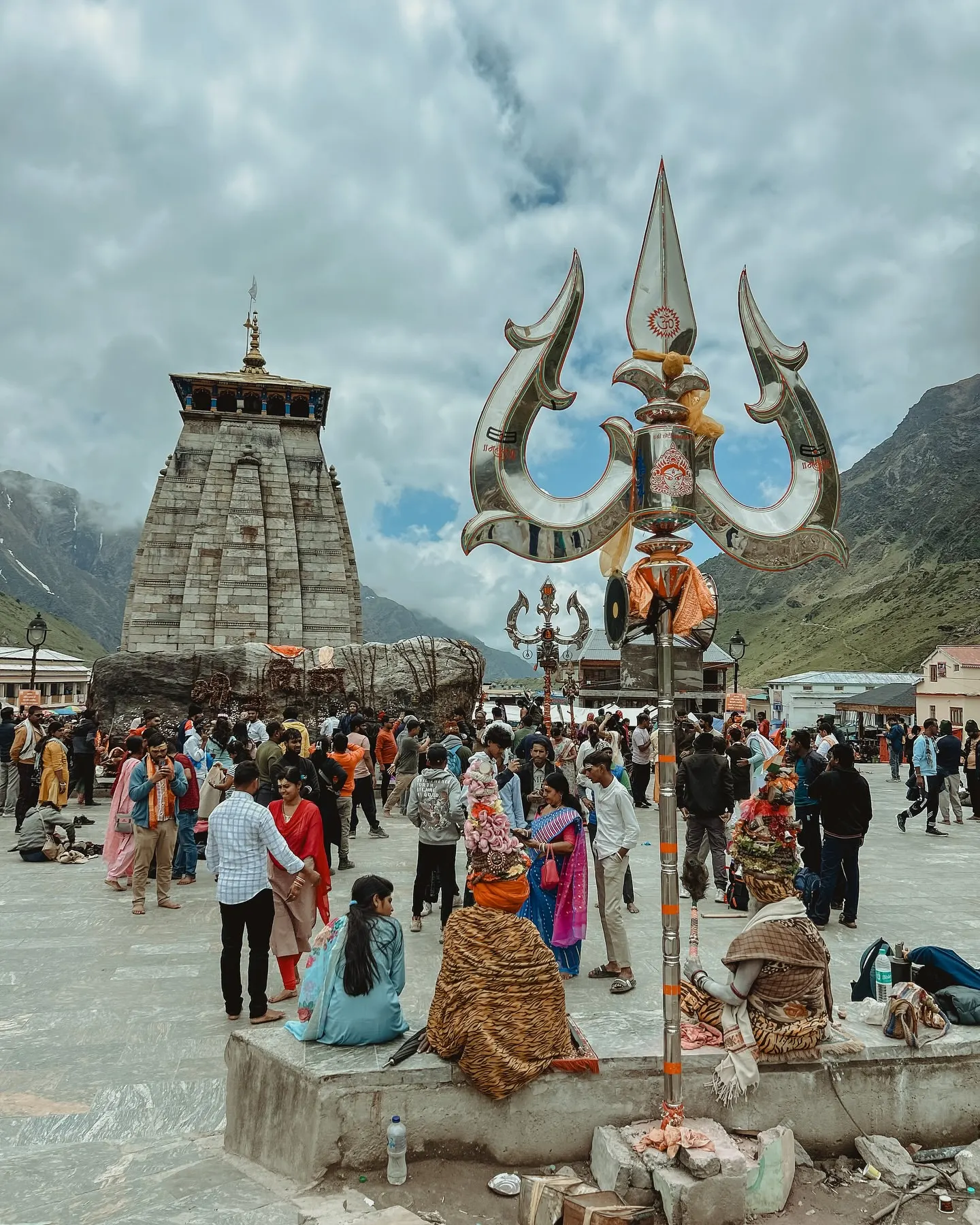
Tungnath, situated at 3,680 meters, holds the distinction of being the highest Shiva temple in the world and is one of the five sacred Panch Kedar shrines in Uttarakhand. Dedicated to Lord Shiva, it symbolises the deity's arms (bahu) according to Hindu mythology. The temple's origins date back over 1,000 years, linked to the Mahabharata epic, where the Pandavas sought atonement after the Kurukshetra War. Legend has it that Shiva, appearing as a bull, dispersed his body parts across five locations to evade the Pandavas; Tungnath emerged where his arms fell. The structure is a modest stone edifice with intricate carvings, surrounded by a small complex of bells, smaller shrines, and dhabas. Inside, a simple idol of Shiva is worshipped, and the temple priest narrates tales of its divine history.

The site opens annually around late April or early May (Akshaya Tritiya) and closes in November, with the deity relocated to Makkumath village during harsh winters to protect it from heavy snowfall. During open seasons, pilgrims perform rituals, ring bells, and seek blessings for strength and redemption. The surrounding landscape shifts from forested paths to open, rocky terrain above 3,100 meters, where tree cover thins, and the sun can feel intense. Snow lingers in patches even in spring, adding to the ethereal atmosphere. Nearby, a short detour leads to Ravanshila, a viewpoint where Ravana is said to have meditated to appease Shiva.

Spiritually, Tungnath is a pilgrimage highlight within the Panch Kedar circuit (alongside Kedarnath, Rudranath, Madmaheshwar, and Kalpeshwar), drawing devotees for its high-altitude sanctity and serene vibes. The area supports basic amenities like tea stalls and rustic shelters, but visitors should prepare for altitude effects such as shortness of breath or mild acute mountain sickness (AMS)—black tea and proper hydration help mitigate this.

For those planning a spiritual yet adventurous journey, opting for a Chopta Tungnath & Chandrashila trek package ensures a well-organized experience combining devotion, scenic trekking, and comfort. Wildlife sightings, including the colourful Himalayan Monal on nearby slopes, further enhance the experience, beautifully blending devotion with nature's wonders.

Climate Overview for Chopta and Tungnath

Chopta (altitude ~2,680m) and Tungnath (altitude ~3,680m) share a similar Himalayan climate, though Tungnath is generally 3-5°C colder due to higher elevation. The region experiences four main seasons: winter (cold and snowy), summer (mild and pleasant), monsoon (rainy), and post-monsoon/autumn (clear and crisp). Below is a monthly breakdown based on average data for Chopta; for Tungnath, subtract approximately 4°C from both high and low temperatures to account for the altitude difference. Rainfall is higher during monsoon months (July-August), averaging 300-400mm per month regionally, with snow replacing rain in winter.

Month Avg High (°C) Avg Low (°C) Conditions Rainfall/Snow Notes
January 7 -8 Covered with snow Heavy snowfall possible; minimal rain
February 10 -7 Covered with snow Snowfall early in the month; low rain
March 14 -4 Covered with snow Chilling cold; melting snow late
April 15 2 Pleasant and clear Snowy views; low precipitation
May 20 4 Pleasant and clear Dry; ideal for trekking
June 25 5 Pleasant and clear Pre-monsoon showers mid/late month
July 23 6 Heavy rains Frequent monsoon rainfall; slippery
August 23 6 Heavy rains Frequent monsoon rainfall; foggy
September 19 4 Cloudy and rainy Decreasing rain; transitional
October 17 1 Pleasant and clear Mix of cloudy/sunny; low rain
November 16 -3 Pleasant and clear Mix of cloudy/sunny; frost possible
December 12 -5 Chances of snowfall Cold; snowfall mid/late

Nearby Places to Chopta

  1. Tungnath Temple: The highest Shiva temple in the world at 3,680 meters, part of the Panch Kedar pilgrimage, located about 3-4 km trek from Chopta, known for its ancient architecture and spiritual significance.
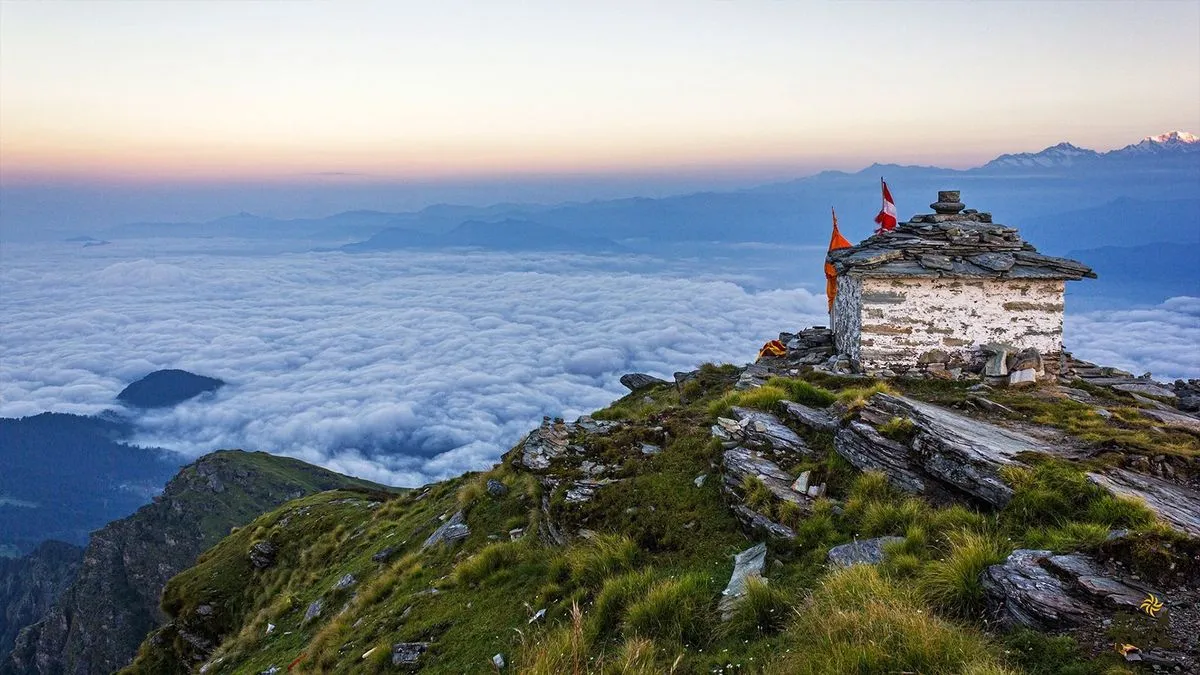
  2. Chandrashila Peak: A summit at around 4,000 meters offering 360-degree views of Himalayan peaks like Nanda Devi and Trishul, accessible via a 1-1.5 km steep trek from Tungnath, ideal for sunrise vistas and mythology linked to Lord Rama.
  3. Deoria Tal: A serene high-altitude lake at 2,438 meters, about a 3 km trek from Sari Village (near Chopta), reflecting Chaukhamba peaks, perfect for camping and birdwatching amid rhododendron forests.
  4. Ukhimath: A town 29 km from Chopta, winter seat of Lord Kedarnath, home to the Omkareshwar Temple and surrounded by scenic valleys, serving as a base for nearby pilgrimages.
  5. Kanchula Korak Musk Deer Sanctuary: A wildlife reserve near Chopta, protecting musk deer, Himalayan monal, and other fauna, with trails through dense forests for nature lovers and eco-tourism.
  6. Sari Village: About 20 km from Chopta, a quaint starting point for the Deoria Tal trek, offering rural Himalayan life, homestays, and views of meadows and peaks.
  7. Madhyamaheshwar Temple: One of the Panch Kedar shrines, 25-30 km from Chopta via Ukhimath, dedicated to Shiva's navel, set in a picturesque valley with a moderate trek.
  8. Rohini Bugyal: A lush meadow en route to Chandrashila, around 5-6 km from Chopta, blanketed with wildflowers and rhododendrons, great for camping and panoramic views.
  9. Dugalbitta: A scenic spot 10-15 km from Chopta, known for birdwatching, dense forests, and proximity to the Mandal River, ideal for short hikes and photography.
  10. Anusuya Devi Temple & Atri Muni Ashram: Located near Chamoli, about 40-50 km from Chopta, an ancient site dedicated to Goddess Anusuya, surrounded by natural beauty and mythological tales.
  11. Gopeshwar: A town 40 km from Chopta, famous for the ancient Gopinath Temple with intricate carvings, and as a gateway to further Himalayan adventures.
  12. Makkumath: About 25 km from Chopta, the winter abode for the Tungnath deity, with temples and views of snow-capped peaks, is popular for its tranquillity.
  13. Kalimath Temple: A sacred Shakti Peeth near Ukhimath (30 km from Chopta), dedicated to Goddess Kali, known for its spiritual energy and serene riverside location.
  14. Bisurital: A lesser-known lake trek from Chopta, offering pristine waters and alpine meadows, about 10-15 km away, for those seeking offbeat spots.
  15. Baniyakund: A natural spring and meadow area near Chopta, en route to Tungnath, surrounded by forests and ideal for picnics or as a resting point during treks.

Essentials for Chopta Tungnath Trek

Category Items to Pack
Clothing Warm jacket / down jacket
  Fleece or sweater
  Thermal innerwear (top & bottom)
  Trek pants (quick-dry)
  Full-sleeve T-shirts (2–3)
  Waterproof/windproof jacket
  Woollen cap/beanie
  Gloves (woollen + waterproof)
  Extra socks (woollen & cotton)
Footwear Trekking shoes with a good grip
  Extra footwear/slippers
  Gaiters (optional, for snow)
Trekking Gear Backpack (40–50L) with rain cover
  Daypack (optional)
  Trekking pole
  Sunglasses (UV protected)
  Headlamp/torch
Toiletries & Personal Care Sunscreen (SPF 30+)
  Lip balm & moisturiser
  Toothbrush & toothpaste
  Wet wipes/tissues
  Hand sanitizer
  Small towel
Medical & Safety Personal medicines
  Basic first-aid kit
  ORS / electrolyte packets
  Pain relief spray/gel
Food & Hydration Reusable water bottle
  Energy bars / dry fruits
  Chocolates/snacks
Documents & Misc Government ID proof
  Cash
  Power bank
  Mobile & charging cable
  Camera (optional)
  Plastic bags (to keep clothes dry)
Winter Extra (Dec–Feb) Heavy down jacket
  Snow gloves
  Extra woollen socks
  Microspikes/crampons
  Thermos flask

The Chopta Tungnath Trek is one of those rare journeys that beautifully blends spirituality, adventure, and nature. Known as the trail to the highest Shiva temple in the world, this trek is perfect for beginners, families, solo travellers, and even first-time trekkers. Despite being short and relatively easy, the experience it offers is truly unforgettable.

Walking through lush meadows, dense forests, and snow-covered paths (in winter), with panoramic views of the Himalayan peaks, makes every step worthwhile. Reaching Tungnath Temple fills you with peace and devotion, while those who continue to Chandrashila Summit are rewarded with breathtaking 360-degree views of peaks like Nanda Devi, Trishul, and Chaukhamba.

What makes this trek special is its accessibility throughout most of the year and the calm, untouched vibe of Chopta, often called the Mini Switzerland of India. Whether you’re seeking divine blessings, scenic beauty, or a short Himalayan escape, this trek delivers on all fronts.

In the end, the Chopta Tungnath Trek is not just a trek—it’s an experience that stays with you long after the journey ends, calling you back to the mountains again and again.

Reach out to us

Map

Know Before You Go

Chopta Tungnath Trek is one of the most popular trekking routes in Uttarakhand, known not only for its scenic beauty but also for its spiritual significance and moderate level of difficulty. This trek beautifully combines adventure, nature, and divinity, attracting thousands of trekkers, pilgrims, and nature lovers every year. The journey takes you to Tungnath Temple, which is the highest Shiva temple in the world, located at an altitude of 3,680 meters. The temple is part of the Panch Kedar pilgrimage and holds a deep spiritual connection for devotees of Lord Shiva. What makes this trek special is that it does not demand extreme trekking expertise, yet it rewards trekkers with unmatched Himalayan views, vibrant landscapes, and a sense of tranquility.

Chopta, often referred to as the "Mini Switzerland of India," serves as the base point for the Tungnath trek. This small hamlet, located in the Rudraprayag district of Uttarakhand, is blessed with lush green meadows, dense forests of oak, deodar, and rhododendron, and captivating snow-clad peaks on the horizon. The clean mountain air, melodious chirping of Himalayan birds, and the serenity of the surroundings make Chopta an enchanting destination in itself. For many travelers, just spending a night in Chopta amidst starlit skies and fresh mountain breezes becomes a soul-soothing memory.

The trek to Tungnath begins from Chopta and stretches about 3.5 km on a well-marked trail. The path is gradual in ascent and is manageable even for beginners with a basic level of fitness. The route passes through thick alpine forests where one can often spot colorful Himalayan monals (the state bird of Uttarakhand), musk deer, and other wildlife species. During spring, the rhododendrons bloom in vibrant shades of red and pink, turning the entire valley into a painter’s canvas. As trekkers move upward, breathtaking views of snow-covered Himalayan peaks like Nanda Devi, Chaukhamba, Kedarnath Dome, and Trishul unfold gradually, creating a truly mesmerizing backdrop for the journey.

The highlight of this trek is undoubtedly Tungnath Temple. This ancient temple, dedicated to Lord Shiva, is believed to be more than 1,000 years old and is an integral part of the Panch Kedar pilgrimage. Mythological legends state that the temple was built by the Pandavas to seek forgiveness from Lord Shiva after the Kurukshetra war. The spiritual energy of this place, combined with the silence of the surrounding mountains, creates an atmosphere that is hard to describe in words. Many trekkers, even those who are not deeply religious, find a sense of inner peace and rejuvenation upon reaching this sacred shrine.

After offering prayers at the temple, adventurers can extend their trek to Chandrashila Peak, which is around 1 km further uphill from Tungnath. Though short, this stretch is comparatively steeper and requires a bit more effort. However, the reward is truly worth it—the summit of Chandrashila offers a 360-degree panoramic view of the majestic Himalayan ranges. Peaks like Kedar, Chaukhamba, and Nanda Devi stand tall and radiant, especially during sunrise or sunset. Many trekkers consider this moment one of the most memorable highlights of their journey, as the golden rays of the sun paint the snow-clad mountains in hues of orange and pink.

One of the best aspects of the Chopta Tungnath Trek is its accessibility. Unlike many Himalayan treks that demand long itineraries and advanced preparation, this trek can be completed in just 1–2 days, making it ideal for weekend getaways from Delhi, Rishikesh, or Dehradun. Families, students, and corporate groups often include this trek in their itineraries to combine nature exploration with team bonding and relaxation.

The Chopta Tungnath Trek is widely regarded as a moderately difficult trek, which makes it suitable for both beginners as well as seasoned trekkers who are looking for a short yet rewarding Himalayan adventure. While the trek is not among the most strenuous in Uttarakhand, it does demand a reasonable level of physical fitness, preparation, and stamina due to the elevation gain and varying terrain. One of the biggest advantages of this trek is that it provides breathtaking Himalayan views and takes trekkers to the sacred Tungnath Temple—the highest Shiva temple in the world—without requiring extreme mountaineering skills. This balance of accessibility and adventure is what makes the Chopta Tungnath Trek a favorite among families, solo travelers, and groups alike.

The journey begins from Chopta, a beautiful hill station located at an altitude of about 2,680 meters. From here, the trail to Tungnath is around 3.5 km long and is well-paved, marked, and maintained, which makes it relatively safe even for first-time trekkers. The initial stretch passes through a forest trail filled with deodar, pine, and rhododendron trees. During spring, the rhododendrons bloom in vibrant shades of red and pink, adding a colorful charm to the trail. The natural beauty of the surroundings, combined with the chirping of Himalayan birds and fresh mountain air, makes the early part of the trek a pleasant experience.

However, as trekkers progress higher, the gradual elevation begins to test stamina. The air gets thinner, leading to mild fatigue or shortness of breath, especially for those who are not accustomed to higher altitudes. The trick here is to maintain a steady pace, avoid rushing, and take short breaks along the way. Even though the trek is categorized as moderate, beginners should prepare in advance with light exercises, jogging, or stair climbing to build endurance. Staying hydrated and carrying light snacks like dry fruits or energy bars can also make the trek more manageable.

The difficulty of the Chopta Tungnath Trek increases slightly as you get closer to the temple. The last stretch involves a steeper climb, but the presence of stone steps along the path makes the ascent easier compared to rough mountain trails. This portion might feel tiring, especially for those trekking at higher altitudes for the first time, but the reward of reaching Tungnath Temple is worth every effort. The sense of accomplishment, the breathtaking Himalayan backdrop, and the divine aura of the temple together create an unforgettable experience for every visitor.

For trekkers who are looking to push themselves a bit further, the journey can be extended from Tungnath to Chandrashila Peak, which lies about 1 km ahead. While this section is short in distance, it involves a steeper and more demanding climb compared to the path to Tungnath. The trail winds upward through rugged terrain, and in winters, it is often covered in snow, making it more adventurous. Reaching the summit of Chandrashila, however, is nothing short of magical. From the top, trekkers are rewarded with a 360-degree view of some of the most prominent Himalayan peaks such as Nanda Devi, Chaukhamba, Kedarnath Dome, and Trishul. The sunrise and sunset from Chandrashila are particularly breathtaking, and many trekkers consider it the highlight of their entire journey.

Another factor that contributes to the moderate difficulty of the trek is altitude. Since Chopta itself is situated at 2,680 meters and Tungnath lies at 3,680 meters, trekkers gain around 1,000 meters in elevation within a short span of time. At such heights, oxygen levels decrease, and some trekkers may experience mild symptoms of altitude sickness like headaches, dizziness, or nausea. These effects are usually temporary and can be managed by proper acclimatization, drinking plenty of water, and avoiding overexertion. It is also advisable to spend a night in Chopta before starting the trek so that the body adjusts to the elevation.
 

The Chandrashila Trek is one of the most captivating and rewarding adventures in Uttarakhand, taking trekkers to one of the highest accessible points in the Chopta region. Chandrashila, which literally translates to "Moon Peak," stands proudly at an altitude of about 4,000 meters and is renowned for offering sweeping panoramic views of the majestic Himalayan ranges. From the summit, trekkers can witness legendary peaks such as Nanda Devi, Trishul, Chaukhamba, and Kedarnath Dome rising magnificently against the clear blue skies. The combination of moderate trekking difficulty, spiritual importance, and unparalleled natural beauty makes Chandrashila one of the most popular short treks in India, equally loved by beginners and experienced hikers.

The adventure usually begins from Chopta, a small yet picturesque hill station in the Rudraprayag district of Uttarakhand. Often called the "Mini Switzerland of India," Chopta serves as the perfect base for treks to Tungnath Temple and Chandrashila Peak. The journey to Chandrashila typically involves first trekking to Tungnath Temple, which is the highest Shiva temple in the world at an altitude of 3,680 meters. This ancient temple is a sacred site and a key highlight of the Panch Kedar pilgrimage. From Tungnath, trekkers continue for another 1 km uphill climb to Chandrashila summit. Though this stretch is short in distance, it requires stamina and steady effort due to its steep gradient and rocky terrain.

The trail from Tungnath to Chandrashila offers a variety of landscapes, making the experience dynamic and memorable. During the summer months, lush green meadows carpet the slopes, and wildflowers add bursts of color along the way. In winter, the path often gets covered in snow, turning the trek into a magical white wonderland. Snow trekking to Chandrashila in January or February is an adventure in itself, and the crisp mountain air coupled with snowy peaks all around makes the experience unforgettable. For those who love photography, both seasons provide stunning opportunities—the bright green meadows and blooming rhododendrons in spring, or the pristine snow-capped surroundings in winter.

One of the most rewarding aspects of the Chandrashila Trek is the view from its summit. The peak offers a 360-degree panorama of some of the tallest and most revered mountains of the Indian Himalayas. Watching the sunrise or sunset from Chandrashila is often described as a spiritual experience. At dawn, the golden rays of the rising sun slowly illuminate the Himalayan giants, casting a spellbinding glow across the snow-covered peaks. Sunset, on the other hand, paints the horizon with shades of orange, pink, and purple, leaving trekkers awestruck by nature’s beauty. This moment at the summit is often considered the highlight of the trek, with many travelers carrying the memory as a lifetime treasure.

In terms of difficulty, the Chopta Chandrashila Trek is classified as moderate, which makes it accessible to most people with a basic level of fitness. The ascent can feel challenging at times due to the altitude, as the oxygen level decreases the higher one climbs. For beginners, it is important to pace the trek properly, take breaks whenever required, and stay hydrated throughout. Light physical preparation such as walking, jogging, or yoga a few weeks before the trek can make the journey easier. Even families and student groups often attempt this trek, as it strikes the right balance between effort and reward.

Beyond its natural beauty, the Chandrashila Trek also holds spiritual significance. Many believe that this peak is the place where Lord Rama meditated after defeating Ravana, and hence, the summit is considered sacred. Being so closely connected to Tungnath Temple, Chandrashila adds a layer of spirituality to the trekking experience, making it a combination of both physical adventure and inner reflection. For spiritual seekers, meditating at Chandrashila amidst the silence of the mountains can be a deeply moving and transformative experience.

The Tungnath Trek is one of the most beautiful, spiritual, and rewarding short treks in the Indian Himalayas. Although it is relatively short in distance—approximately 3.5 km one way from Chopta to Tungnath Temple—it offers an unforgettable experience of natural beauty, Himalayan landscapes, and divine spirituality. The trek leads to Tungnath Temple, situated at an altitude of 3,680 meters, which holds the distinction of being the highest Shiva temple in the world. Its blend of spirituality, accessibility, and Himalayan grandeur makes it one of the most popular trekking trails in Uttarakhand for both beginners and experienced trekkers.

The journey begins at Chopta, often called the "Mini Switzerland of India" due to its lush green meadows, dense forests, and snow-clad peaks in the backdrop. Chopta is located in Rudraprayag district and serves as the base for the Tungnath and Chandrashila treks. Starting the trek from Chopta, trekkers walk along a well-marked trail that gradually ascends through dense forests of deodar, pine, and rhododendron. During spring, the rhododendrons bloom in bright red and pink shades, painting the trail with incredible beauty, while summer months bring clear skies and vibrant greenery. In winter, this same path transforms into a snow-covered wonderland, making the Tungnath Trek an entirely different experience depending on the season.

The initial part of the trail is relatively gentle, allowing trekkers to warm up and enjoy the serene surroundings. Birds like the Himalayan Monal, which is also the state bird of Uttarakhand, are often spotted along this trail, making it a paradise for birdwatchers and nature enthusiasts. As trekkers move forward, the incline gradually becomes steeper, especially in the last stretch before reaching the temple. This final ascent is paved with stone steps, which makes navigation easier but still demands stamina, especially for those who are new to trekking at higher altitudes. Taking short breaks along the way not only helps with acclimatization but also provides opportunities to admire breathtaking views of peaks like Chaukhamba and Kedar Dome in the distance.

Upon reaching Tungnath Temple, trekkers are rewarded with a sense of deep accomplishment and spiritual serenity. Tungnath is one of the Panch Kedar temples, a group of five sacred shrines dedicated to Lord Shiva in Uttarakhand, and is steeped in mythology. According to legends, the arms of Lord Shiva are said to have appeared here, while other body parts appeared in the remaining Panch Kedar temples. The temple’s history, combined with its serene Himalayan setting, makes the visit not just a physical journey but also a deeply spiritual one. Pilgrims and trekkers alike feel an overwhelming sense of peace and devotion in this sacred space.

For adventure seekers, the trek does not have to end at Tungnath Temple. Just 1 km ahead lies the Chandrashila Summit, which stands at an altitude of about 4,000 meters. This final stretch involves a steeper climb but offers one of the most spectacular 360-degree panoramic views in the Himalayas. Peaks such as Nanda Devi, Trishul, Chaukhamba, and Kedarnath are clearly visible from Chandrashila, and witnessing the sunrise or sunset from the summit is a life-changing experience. The golden glow of the rising sun slowly spreading across the snow-covered peaks is an image that remains etched in the heart forever.

The duration of the trek from Chopta to Tungnath and onwards to Chandrashila can vary depending on fitness level and pace. Typically, reaching Tungnath Temple takes around 3–4 hours, while extending the trek to Chandrashila can add another 1–2 hours. The entire round trip usually takes 4–6 hours, making it doable in a single day. However, many trekkers choose to camp in Chopta or nearby meadows before or after the trek to truly soak in the atmosphere of the Himalayas. Night skies in Chopta are especially enchanting, with countless stars visible, making it a haven for stargazing and astrophotography.

The best time to visit Chopta depends on the kind of experience a traveler is seeking, as every season in this picturesque destination has its own charm. Chopta, located in Uttarakhand and often called the "Mini Switzerland of India," is an all-season travel destination, offering stunning views of the Himalayas, lush meadows, dense forests, and spiritual spots like the Tungnath Temple and Chandrashila Summit. While Chopta can be visited throughout the year, the most ideal months are from March to June and September to November, when the weather remains pleasant, skies are clear, and trekking conditions are favorable. However, winter lovers also find December to February equally enchanting as Chopta transforms into a snowy paradise.

Summer (March to June)
The summer season is widely considered the best time to visit Chopta for trekking and sightseeing. The temperature during these months ranges between 10°C to 25°C, creating the perfect environment for outdoor adventures. The meadows of Chopta are in full bloom with wildflowers, and the forests are vibrant with fresh greenery. Clear blue skies ensure unobstructed views of Himalayan peaks like Nanda Devi, Trishul, and Chaukhamba.

For trekkers, this is the most comfortable season to attempt the Tungnath Chandrashila Trek. The trails remain dry and safe, and the moderate climate allows even beginners and families to complete the trek with ease. Photographers and nature lovers particularly enjoy this season as the bright sunshine enhances the beauty of the valleys and meadows. Adventure seekers can also enjoy camping in Chopta’s bugyals (alpine meadows) under starry skies, making summer a magical time to be here.

Monsoon (July to September)
Monsoon brings a different charm to Chopta, turning the landscape into a lush green paradise. The temperature during this season hovers between 5°C and 20°C. Misty mornings, clouds floating over the valleys, and the fragrance of wet earth make Chopta a dreamy destination. However, the monsoon months are also the most challenging for trekking, as trails become slippery and the risk of landslides increases.

For travelers who love the monsoon vibe and don’t mind rain, this season offers a peaceful and uncrowded experience. Birdwatchers especially enjoy this time, as the monsoon attracts a variety of Himalayan birds to the forests of Chopta. Photography enthusiasts can capture dramatic landscapes, with clouds wrapping around the mountains. However, this season is not recommended for first-time trekkers due to safety concerns.

Winter (December to February)
Winter completely transforms Chopta into a white wonderland. Heavy snowfall covers the meadows and forests, turning the region into a magical landscape. Daytime temperatures range from -5°C to 10°C, while at night, temperatures can drop as low as -10°C. Despite the harsh weather, this season attracts a special category of travelers—those who love snow adventures and want to experience the thrill of trekking in the Himalayas during winter.
 

Yes, you can definitely do the Chopta Tungnath Trek from Delhi. In fact, it is one of the most popular weekend treks for people living in Delhi, Noida, and Gurgaon, thanks to its proximity, accessibility, and the unmatched beauty it offers. This trek is famous not only for its natural charm but also for its spiritual significance, as it takes you to Tungnath Temple—the highest Shiva temple in the world— and further to the Chandrashila Summit, which provides breathtaking 360-degree views of the mighty Himalayan peaks like Nanda Devi, Trishul, Kedarnath, and Chaukhamba.

Reaching Chopta from Delhi
Chopta is located about 400–450 km from Delhi, depending on the route you take. The journey usually takes around 10–12 hours by road. The most common and convenient way to reach Chopta is:

By Train or Bus to Haridwar/Rishikesh: Take an overnight train or a Volvo bus from Delhi to Haridwar (approx. 5–6 hours) or Rishikesh (approx. 6–7 hours). Both cities are well-connected to Delhi with multiple options daily.
By Road from Haridwar/Rishikesh: From here, you can hire a taxi or board a shared cab/bus to Srinagar (Uttarakhand), Rudraprayag, and then Ukhimath. From Ukhimath, Chopta is just 30–40 km away, which takes about 1–1.5 hours.
Self-drive: Many adventure lovers prefer driving from Delhi to Chopta via NH7. The route is scenic but includes hilly roads after Rishikesh, so you need to be a confident mountain driver.
By Flight: The nearest airport is Jolly Grant Airport, Dehradun, about 220 km from Chopta. From Dehradun, you can take a taxi to reach Chopta in 7–8 hours.

Suggested Itinerary from Delhi
A 3–4 day itinerary is ideal for enjoying the Chopta Tungnath Trek without rushing:

Day 1: Depart from Delhi at night by bus/train. Reach Rishikesh or Haridwar early morning, then continue by cab or local transport towards Chopta (10–12 hours). Overnight stay in Chopta in a guesthouse, campsite, or eco-hut.
Day 2: Early morning start for the Tungnath Trek. It’s a 3.5 km hike from Chopta to Tungnath Temple through rhododendron forests and meadows. After darshan at the temple, continue another 1 km uphill to Chandrashila Summit. Return to Chopta by evening. Stay overnight in Chopta.
Day 3: Depart from Chopta back towards Haridwar/Rishikesh, and take a train/bus to Delhi. Reach Delhi by night or early morning.
• (Optional Day 4): You can extend the trip to explore nearby places like Deoria Tal, Ukhimath, or Sari Village.

The Trek Experience
The Chopta Tungnath trek is relatively short but immensely rewarding. Starting from Chopta at around 2,600 m, the trail winds through lush alpine meadows, oak and rhododendron forests, and breathtaking valleys. The trek is about 3.5 km to Tungnath and usually takes 2–3 hours depending on pace. The last stretch to Tungnath is steeper, but paved with stone steps, making it easier to navigate.

At 3,680 m, Tungnath Temple welcomes you with its peaceful atmosphere and spiritual aura. After visiting the temple, most trekkers choose to continue another 1 km to Chandrashila Peak (4,000 m). This portion is steeper, but reaching the summit rewards you with unmatched panoramic views of the Himalayan ranges. Sunrise and sunset from Chandrashila are particularly mesmerizing.

Accommodation Options
Chopta offers a variety of stay options, from simple guesthouses and homestays to scenic campsites and eco-huts. Most trekkers prefer staying in Chopta the night before the trek. In peak seasons (April–June, Sept–Nov), it’s advisable to book in advance. During winter, only limited stays remain open due to snowfall.

Best Time for the Trek
March–June: Best for beginners. Pleasant weather, blooming flowers, and clear skies.
September–November: Perfect for trekkers and photographers with crystal-clear views of the mountains.
December–February: Ideal for snow lovers, though more challenging due to extreme cold and heavy snowfall.
July–August: Not recommended due to monsoon rains and slippery trails.

Travel Tips
• Carry warm clothes year-round as weather in Chopta changes quickly.
• Wear sturdy trekking shoes with good grip, especially in winter or monsoon.
• Keep essentials like torch, power bank, water bottles, and basic medicines.
• Altitude is moderate, but take it slow to avoid exhaustion.
• Respect the environment—avoid littering and keep Chopta’s beauty intact.
 

Yes, the Tungnath Temple Trek is very suitable for beginners, which makes it one of the best introductions to trekking in the Himalayas. If you have been planning your first mountain adventure, this trek offers a balanced mix of manageable challenges, natural beauty, and spiritual significance. It is considered a moderate trek, meaning that anyone with a basic level of fitness can comfortably complete it, even if they have never trekked before.

Trail Overview
The trek starts from Chopta, a small yet scenic village in Uttarakhand often referred to as the “Mini Switzerland of India.” The distance from Chopta to Tungnath Temple is approximately 3.5 km. The trail is well-marked and is frequented by trekkers and pilgrims alike. You will be walking through enchanting forests of deodar, oak, pine, and rhododendron, which provide ample shade and a refreshing atmosphere. During spring, the rhododendron trees bloom with bright red and pink flowers, making the trek especially picturesque.

The initial portion of the trek is relatively gradual, which is ideal for beginners to settle into a rhythm. As you progress, the trail becomes steeper, but the presence of stone steps in most sections makes it easier to climb, even for those who are not used to mountain paths. Several resting spots along the way allow you to pause, catch your breath, and enjoy the stunning surroundings.

Altitude and Difficulty
The Tungnath Temple is situated at an altitude of about 3,680 meters. For a beginner, this altitude is high enough to feel a difference in oxygen levels but not so extreme as to cause serious issues if trekked sensibly. You may feel mild breathlessness or fatigue while climbing, but with steady pacing and adequate hydration, the trek remains very manageable.

Beginners are advised to take short breaks and avoid rushing. Trekking in the Himalayas is never a race; the slower pace not only reduces fatigue but also lets you soak in the beauty around you—lush valleys, snow-dusted peaks, and the peaceful forest trails.

Extension to Chandrashila
For many trekkers, the journey does not end at Tungnath. Just 1 km further uphill lies the Chandrashila Peak, standing tall at around 4,000 meters. While this stretch is steeper and more demanding, it is still achievable for beginners who are motivated and take it slow. The sense of achievement on reaching Chandrashila is beyond words. From the summit, you are rewarded with panoramic views of some of the greatest Himalayan peaks—Nanda Devi, Chaukhamba, Trishul, and Kedarnath. On a clear day, the sunrise from Chandrashila is nothing short of magical, painting the mountains in hues of gold and orange.

Why This Trek is Perfect for Beginners
Short Distance: At only 3.5 km to Tungnath and 4.5 km to Chandrashila, it is relatively short compared to other Himalayan treks.
Well-Maintained Path: Stone steps and a clearly marked trail make navigation easy.
Moderate Ascent: The trek provides a good balance—challenging enough to feel adventurous but not overwhelming.
Beautiful Scenery: Forests, meadows, wildlife, and breathtaking views keep the motivation high.
Spiritual Experience: Reaching Tungnath Temple adds a sense of peace and purpose to the journey.
Accessibility: Chopta is easily accessible from Delhi, Rishikesh, and Haridwar, making it beginner-friendly in terms of logistics.

Preparation Tips for First-Time Trekkers
If this is your first trek, a little preparation goes a long way in making the experience enjoyable:

Build Stamina: Start walking or jogging regularly at least 2–3 weeks before the trek.
Carry Proper Gear: Comfortable trekking shoes, a light jacket, water bottle, and energy snacks are must-haves.
Layer Your Clothing: Weather in Chopta changes quickly. Carry layers to stay warm and dry.
Acclimatization: Spend a night in Chopta before the trek to get used to the altitude.
Stay Hydrated: Drink water frequently to avoid dehydration.
Pace Yourself: Do not rush. Trekking is about enjoying the journey as much as the destination.
Respect Nature: Do not litter, and keep the trails clean for others.

Seasonal Experience
The Tungnath Trek offers different experiences depending on the season:

Summer (March–June): Best time for beginners. Pleasant weather, blooming flowers, and clear skies.
Autumn (Sept–Nov): Crystal-clear mountain views and perfect trekking conditions.
Winter (Dec–Feb): Snow-covered trails make it more challenging but magical for those who love snow.
Monsoon (July–Aug): Trails become slippery due to rain, making it less ideal for beginners.
 

Preparing for the Chandrashila Summit Trek requires careful packing, as the right gear can make the difference between a comfortable, enjoyable adventure and a difficult one. Since the weather in Chopta and Tungnath is highly unpredictable and the altitude is considerable, beginners and experienced trekkers alike should focus on carrying essentials without overpacking. Here’s a comprehensive guide to help you pack smartly for your trek:

1. Clothing – Layer Smartly
The golden rule for Himalayan trekking is layering. Instead of wearing one heavy jacket, pack multiple lightweight layers that can be added or removed as the weather changes.
Base Layer: Carry moisture-wicking t-shirts or thermal tops to keep sweat away from your body.
Mid Layer: Fleece jackets or lightweight sweaters are ideal for insulation.
Outer Layer: A padded jacket or down jacket is essential in colder months, especially if you plan to trek up to Chandrashila where temperatures can dip significantly.
Lower Body: Comfortable trekking pants are recommended over jeans, which are heavy and restrict movement. Quick-dry materials work best.
Accessories: Carry woolen gloves, warm caps, and mufflers in winter. In summer, a light cap or hat will protect you from direct sunlight.
Rain Gear: Weather in the Himalayas can change instantly. A poncho or lightweight raincoat is essential year-round.

2. Footwear – Your Most Important Gear
Trekking shoes are arguably the most crucial item for this trek. The trail, especially near Tungnath and Chandrashila, is rocky and uneven, so sturdy shoes are a must.
• Choose ankle-high, waterproof trekking shoes with good grip.
• Avoid sports shoes or sneakers, as they lack grip and ankle support.
• Carry 2–3 pairs of trekking socks. Wool-blend socks are great for warmth, while synthetic socks prevent blisters.
• A pair of comfortable sandals or floaters can be useful for relaxing at your campsite or lodge after trekking.

3. Backpack Essentials
A backpack of around 30–40 liters is sufficient for the Chandrashila Trek. It should be light, sturdy, and ideally have chest and waist straps for weight distribution.
Water: Carry at least 1–2 liters of water. A reusable water bottle or hydration pack is better than disposable bottles, as it’s eco-friendly.
Snacks: Energy bars, dry fruits, nuts, and chocolates help maintain energy levels during the trek.
Power Bank: Essential for keeping your phone and camera charged.
Torch/Headlamp: A headlamp with extra batteries is a must, especially if you plan to start your Chandrashila climb early morning for sunrise.
Rain Cover: Ensure your backpack has a rain cover to protect your gear in case of sudden showers.

4. Safety and First Aid
In the mountains, even small issues can become troublesome if you are unprepared. A compact but effective first-aid kit is vital.
• Band-aids, antiseptic ointment, crepe bandage, and antiseptic wipes.
• Basic medicines for fever, pain relief, cold, cough, and stomach upset.
• Any personal medication prescribed by your doctor.
• Lip balm with SPF and sunscreen to protect against harsh mountain sun.
• Hand sanitizer and wet wipes for hygiene on the trail.

5. Additional Handy Items
Trekking Pole/Walking Stick: Very useful on steep ascents and descents, especially for beginners.
Camera/Smartphone: To capture the mesmerizing views from Chandrashila Summit.
Thermal Flask: Carrying warm water or tea can be a blessing in cold weather.
Reusable Cutlery: Spoon, fork, and mug in case you are camping.
Plastic/Ziplock Bags: To store wet clothes or protect electronics.
ID Proof & Cash: Internet connectivity and ATMs are limited in Chopta, so carry some cash.

6. Seasonal Packing Tips
Summer (March–June): Light woolens, sun cap, and breathable clothing. Days are pleasant, but evenings get chilly.
Autumn (Sept–Nov): Clear skies and cooler weather. Layering is key. A fleece and a padded jacket are must-haves.
Winter (Dec–Feb): Expect snow on the trail. Carry thermals, heavy woolens, snow gloves, woolen cap, and waterproof boots.
Monsoon (July–Aug): Not the ideal trekking season due to slippery trails. If attempting, carry high-quality rain gear and waterproof everything in your bag.
 

Yes, you can absolutely do the Chopta Chandrashila Trek from Delhi solo, and for many adventurers, it becomes one of the most fulfilling experiences of their life. The trail not only offers spectacular Himalayan landscapes but also gives you the chance to enjoy complete independence, self-discovery, and a deeper connection with nature. However, trekking solo also comes with its challenges, so preparation is the key to ensuring both safety and enjoyment.

1. Suitability of the Trek for Solo Travelers
The Chopta Tungnath Chandrashila trail is classified as a moderate-level trek, which makes it accessible for solo trekkers with a decent fitness level. The route is well-defined, frequented by pilgrims going to Tungnath Temple, and popular among trekking groups, so you are unlikely to find yourself completely isolated. That said, solo trekkers should ideally have some prior trekking experience or at least build stamina through smaller hikes before attempting this one.

2. Travel Route from Delhi
• Start your journey by taking an overnight bus or train from Delhi to Haridwar or Rishikesh. Both towns are well-connected and serve as gateways to the Garhwal Himalayas.
• From Haridwar/Rishikesh, shared jeeps, taxis, or buses will take you towards Ukhimath or Rudraprayag.
• From Ukhimath, it’s about a 1–2 hour drive to reach Chopta, the base point of the trek.
While traveling solo, pre-booking transportation and accommodations is advisable, especially in peak seasons, to avoid last-minute hassles.

3. Accommodation and Food for Solo Trekkers
Chopta has a variety of options ranging from budget guesthouses and homestays to campsites. As a solo traveler, homestays are often the best choice because they are safe, affordable, and allow you to interact with locals. Food options are simple—expect hot meals like rice, dal, roti, and vegetables. Carry some snacks and energy bars for the trail, as food stalls are limited beyond Chopta.

4. Advantages of Trekking Solo
Freedom: You can trek at your own pace, take breaks, and spend extra time at scenic spots.
Self-Discovery: Solo trekking often turns into a meditative journey, giving you time to reflect and connect with nature.
Flexibility: You decide when to start, where to stay, and how fast or slow to move.
Immersive Experience: Without distractions, you truly soak in the serenity of Tungnath Temple and the panoramic Himalayan views from Chandrashila Summit.

5. Safety Considerations for Solo Trekkers
While solo trekking has many benefits, safety must always come first:
Inform someone: Share your itinerary with family or friends before leaving Delhi.
Navigation: The trail is marked, but carry a physical map, compass, or GPS app on your phone to avoid confusion.
Weather: Conditions can change rapidly in the Himalayas. Always check the forecast before setting off.
Emergency Preparedness: Network coverage can be patchy around Chopta. Keep important numbers saved and carry a fully charged power bank.
First Aid: Pack essential medicines, antiseptics, and personal medication in case of minor health issues.

6. Essential Gear for Solo Travelers
• Sturdy trekking shoes with good grip.
• Warm clothing in layers, plus rain gear.
• A lightweight backpack with water, snacks, and a rain cover.
• Headlamp or torch with spare batteries.
• Trekking pole for balance on steep stretches.
• Sunglasses, sunscreen, and lip balm for sun protection.
• Camera or smartphone for capturing memories.

7. Best Time to Attempt a Solo Trek
The ideal time to attempt the Chopta Chandrashila Trek solo is between March–June and September–December. During these months, the weather is relatively stable, trails are open, and other trekkers are around—making it safer for solo adventurers. Winters bring snow, which makes the trek beautiful but more challenging, so beginners may want to avoid going solo in January–February.
 

When it comes to the Chopta Chandrashila Trek or the Chopta Tungnath Trek, one of the most common questions asked by trekkers is about the fitness level required. While this trek is not among the most difficult Himalayan trails, it does demand a certain level of stamina, endurance, and physical preparation. Anyone with a basic level of fitness, a passion for the outdoors, and a willingness to walk on mountain paths can successfully complete this journey. However, understanding the trek’s requirements in detail will help you prepare better and enjoy the experience to the fullest.

1. Classification of the Trek
The Chopta Tungnath Chandrashila trek is classified as a moderate trek. This means it is manageable for beginners who have prepared physically in advance, as well as enjoyable for seasoned trekkers. The trail consists of gradual ascents, a few steep climbs, and some rocky stretches, especially as you move toward the Tungnath Temple and Chandrashila Summit. On average, trekkers cover about 4–5 km in a day, with an altitude gain ranging from 2,600 meters at Chopta to around 4,000 meters at Chandrashila peak.

2. Endurance and Stamina Required
Trekkers should have the ability to walk for 4–6 hours a day with small breaks. Basic cardiovascular endurance is important since the higher altitudes may cause shortness of breath for those unprepared. Simple activities like brisk walking, jogging, swimming, or cycling for 30–45 minutes daily, at least a month before the trek, can build stamina. Practicing stair climbing while carrying a backpack will also prepare your legs for the mountain ascents.

3. Acclimatization and Altitude Preparedness
Since the trek takes you above 3,500 meters, mild symptoms of altitude sickness such as headache, fatigue, or breathlessness can occur. Having a fit body helps in faster acclimatization. It is also advisable to maintain hydration, eat light, and avoid rushing on the trail. Beginners should spend an extra day at Chopta or Ukhimath to adapt before attempting Tungnath and Chandrashila.

4. Strength and Flexibility
Good leg strength and core balance are beneficial because the trail includes rocky patches and steep stretches. Exercises like squats, lunges, and planks can enhance your muscle strength. Flexibility exercises, such as yoga, are also helpful for avoiding muscle stiffness during long walks in cold weather. Carrying a trekking pole can further ease the pressure on your knees during steep descents.

5. Who Can Do the Trek?
• Beginners with basic preparation and a love for trekking.
• Families with children above 8–10 years, provided they are active and used to outdoor walks.
• Fitness enthusiasts looking for a Himalayan adventure without extreme difficulty.
• Groups or solo travelers who wish to explore Chopta tour packages, Chopta trekking tour packages, or budget Chopta packages with a mix of spiritual and adventure elements.

6. Mental Preparation
Trekking in the Himalayas is as much a mental challenge as it is a physical one. Patience, determination, and the ability to adapt to changing weather conditions are crucial. The serenity of Tungnath Temple and the rewarding panoramic views from Chandrashila make all the effort worthwhile, but trekkers must be ready for unpredictable conditions such as sudden rain, fog, or cold winds.

7. Final Word
The Chopta Chandrashila Trek is suitable for anyone with moderate fitness who prepares adequately in advance. It does not demand professional athletic skills but does require consistent practice in walking long distances and climbing slopes. With the right mindset, proper gear, and some preparation, you can enjoy the charm of the Chopta Tungnath trek, the divinity of Tungnath Temple, and the breathtaking sunrise from Chandrashila Summit. This trek is a perfect blend of adventure, spirituality, and natural beauty—making it achievable and rewarding for most travelers.
 

Chopta Travel Blog

Tips, Routes & Experience

Chopta Recent Batches

Photo Gallery

Chopta Recent Batches

Video Reviews

Related Trips

Customer Reviews & Ratings

  • img

    Ayushi Aswal


    It's a treat when you travel with Tourmyholiday because you don't have to worry about anything. Every little detail is already taken care of. All you have to do is sit back and enjoy your vacation. 

  • img

    ARPITA OJHA


    Our tour guide(Vishesh Bhati) is very humble and helpful whenever we need his help. Must go on a trip with these guys.

  • img

    Saniya Dhiman


    Good Vibes best adventure like best thinkin
    Best trip in the world
    Thank you

  • img

    Anuj Bhatt


    Chopta is truly a paradise for nature lovers! Thanks to TourMyHoliday, my trip was seamless and unforgettable. The breathtaking Himalayan views, lush green meadows, and serene vibes made it a perfect getaway. Highly recommend their services for an amazing experience! – Anuj

  • img

    Ashutosh Yadav


    Over all experience with Tourmyholiday is so good...kanika madam is so supportive. She has made our journey so memorable and package was budget friendly.

  • img

    Raj Koli


    This trip was an amazing experience for me, not just because of the beautiful location, but mainly because of our captain, Zishan bhai. He was always active and ready to help whenever we needed anything or had a question. He was very supportive during the trek. In fact, he even went back up to help one of our teammates who…

  • img

    Praveen Negi


    Had a great time on my Manali trip with Tour My Holiday.Everything was easy and well-managed. Loved it
    Special thanks to trip coordinator Akki

  • img

    Hardik Bhatt


    I had very much fun on this trip with tour my holiday and our captain Sujal was amazing, had very much fun with him on the trek.

  • img

    Dhruv Soste


    I recently completed my Tungnath tour with Tour My Holiday, and it was a wonderful experience! Everything was well-organised, from stay to travel to trekking support. The views were breathtaking, the arrangements were smooth, and the overall vibe was perfect for a peaceful yet adventurous getaway.
     

  • img

    Ambika Vishwakarma


    Excellent service! The trip was well-planned, hassle-free, and enjoyable. Special thanks to our tour guide Zeshaan, who was friendly, knowledgeable, and made the whole journey more interesting. Highly recommend this travel agency for a smooth and memorable travel experience.

  • img

    J.J WANTED GAMER


    I recently went on a trip with a company, and it was an unforgettable experience. Everything was perfectly planned – from the stay and food to the entire itinerary. But the highlight of the trip was our captain, Zishan. He’s not just a great leader but also an incredibly handsome and funny guy with a very loving nature. He handled…

  • img

    Saniya Dhiman


    Amazing trip to Jibhi with TourMyHoliday! Everything was perfectly arranged—cozy stays, smooth travel, and beautiful sightseeing. Highly professional team. Truly a peaceful and memorable experience. Highly recommended! 

  • img

    Madhav Negi


    Thank you, TourMyHoliday, for an incredible Kedarnath experience! Everything was well planned, good services and with a good driver
    Special thanks to the trip coordinator Kaushal

  • img

    Samidha Gurung


    We had booked the package via tourmyholiday for Kedarnath and Badrinath,Yamunotri & Gangotri We were overall satisfied and happy, but I did share my feedback with Mr ashish already that the hotels and driver was awesome. I will definitely recommend you to the others in my family and friends. Thanks for making our Chardham trip memorable

  • img

    Ravinder


    My Madmaheshwar trip was seamless and enjoyable, thanks to the professionalism and expertise of the TourMyHoliday team. I would highly recommend them to anyone planning a similar trip.

  • img

    Ganesh Chamoli


    I recently booked my Thailand trip with TourMyHoliday, covering Bangkok and Pattaya, and it was an amazing experience from start to finish. Everything was well-organized, from airport transfers to hotel stays and sightseeing. The team was very supportive and always available to help whenever needed.

  • img

    Kaushal Khantwal


    I have been to Haridwar and Rishikesh with tourmyholiday. It was such an amazing trip we had all the arrangements was amazing as committed. Ashish from Tourmyholiday was so cooperative and was available all the time for us. I would love to travel again with Them.